Common Defects

Soffit / Fascia Rot -- what Blaine homeowners need to know.

Soffit and fascia rot in Blaine traces back to two recurring causes: ice dam damage at the eaves (universal on pre-1995 stock with shallow overhangs) and gutter overflow from clogged or undersized gutters.

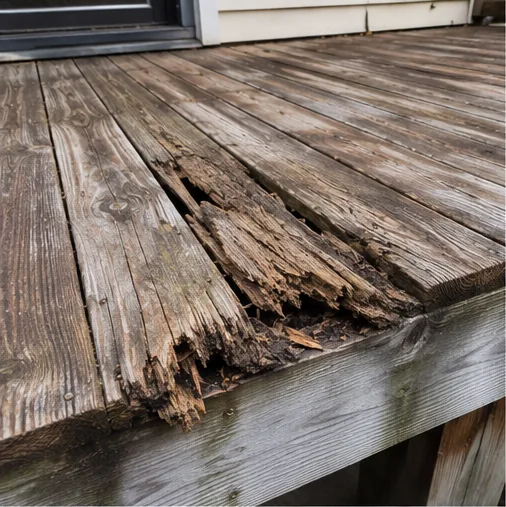
Rotted soffit and fascia wood at a roof overhang

How We Document It

We document soffit / fascia rot with annotated photos, measurements where applicable, and a written priority recommendation routed by safety priority. When the finding warrants it, we refer you to a Minnesota-licensed specialist for repair -- never to anyone we have a financial relationship with.

What It Means for Your Deal

Defects discovered during inspection are leverage. Whether you negotiate a credit, request a repair, or walk away, our reports give you and your agent the documentation needed to move forward with clarity. Report in 24 Hours turnaround means you keep your inspection contingency window intact.

Related Reading

Instant Quote

Receive a FREE quote in 60 seconds.

Type your address, get a real number, book your Blaine inspection on the spot. No callbacks. No sales pressure.

  • Live pricing for your exact square footage
  • Add radon, sewer scope, mold, water testing
  • Pick your inspection date in real time

More about this service in Blaine

Anoka County's freeze-thaw cycle drives water repeatedly behind the fascia board; it eventually rots out the lookouts and, in worst cases, the rafter tail. Soffit ventilation is also commonly blocked by blown insulation pushed against the eave — a finding we see on 1980s-1990s Blaine attics where the original baffles were never installed or have collapsed. We document rot by location, depth, and structural impact. Replacement is straightforward (under $2,000 for typical residential) but ignored long enough, it leads to attic moisture and mold problems that cost an order of magnitude more.

FAQ

Common questions about Soffit / Fascia Rot

Severity depends on the specific finding, the location, and the home's age. We rate every defect we document by safety priority -- Safety / Major / Minor / Maintenance -- so you know exactly what's a deal-breaker and what's a Saturday-afternoon fix.
Some defects (Federal Pacific panels, polybutylene, knob-and-tube, active mold, recall-class plumbing) trigger insurance carrier requirements. We document every finding so your carrier and lender have the information they need.
They can -- but you have leverage. Most Minnesota purchase agreements include an inspection contingency that allows you to renegotiate, request credits, or walk away within the contingency window.
Call 763-269-4369 FREE Quote